Where Is Sami Spoken? A Guide To Sapmi For Language Learners

Author
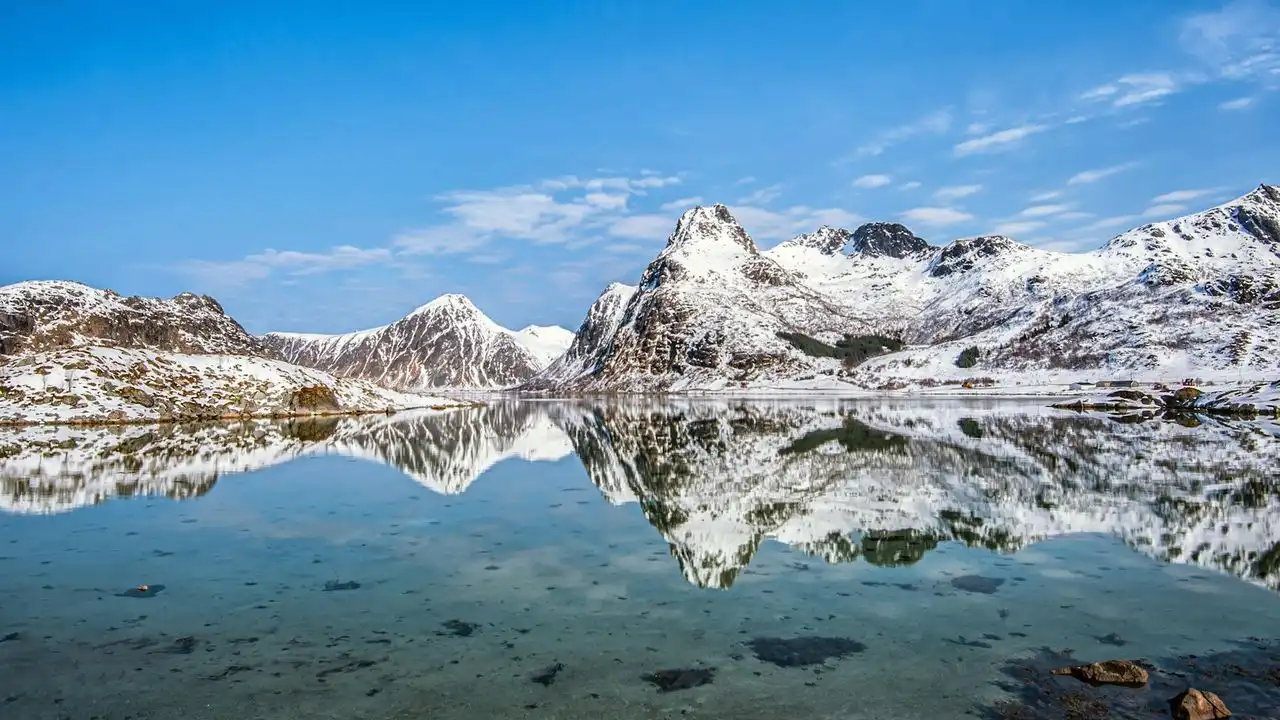
The Sami languages are spoken across a vast region of Northern Europe known as Sápmi.
This traditional homeland stretches across the northern parts of four different countries.
These countries include Norway, Sweden, Finland, and the Kola Peninsula of Russia.
Understanding this geography is essential for anyone starting to learn Sami.
There are actually several distinct Sami languages divided by region rather than national borders.
I’ll explain exactly where these languages are spoken to help you choose the right one to learn.
Table of Contents:
What is Sápmi?
Sápmi is the cultural region traditionally inhabited by the indigenous Sami people.
It covers the northernmost parts of Scandinavia and stretches eastward into northwestern Russia.
This area doesn’t have official borders like a traditional sovereign country.
Instead, it represents the historical lands where Sami communities have lived, fished, and herded reindeer for thousands of years.
The landscape is massive and includes deep fjords, dense forests, and open tundra.
The countries where Sami is spoken
There are roughly 80,000 to 100,000 Sami people living across four main nations.
However, only a portion of the population actively speaks a Sami language today.
Norway
Norway has the largest population of Sami people in the world.
Over half of all Sami speakers live within Norwegian borders.
The most widely spoken language here is Northern Sami.
You’ll hear it most frequently in northern counties like Finnmark and Troms.
Sweden
Sweden is home to the second-largest population of Sami speakers.
The Sami communities are mostly located in the northern half of the country.
Northern Sami is highly prevalent here as well.
You’ll also find speakers of Lule Sami and Southern Sami in the central and southern parts of the Swedish Sápmi region.
Finland
Finland has a smaller but very active and dedicated Sami-speaking population.
They live primarily in the northernmost region of the country, known as Lapland.
Finland is unique because it’s home to three distinct Sami languages.
These languages are Northern Sami, Inari Sami, and Skolt Sami.
Russia
The smallest population of Sami speakers lives in Russia.
They’re located almost exclusively on the Kola Peninsula.
The most common Sami language spoken here is Kildin Sami.
Unfortunately, the Sami languages in Russia are highly endangered today.
The different Sami languages by region
It’s a common misconception that Sami is a single language.
Sami is actually a group of related languages that belong to the Finno-Ugric language family.
They’re often divided into Western Sami and Eastern Sami languages.
Speakers of neighboring Sami languages can sometimes understand each other perfectly well.
However, speakers from opposite ends of Sápmi usually can’t communicate easily.
Here’s a breakdown of the major active Sami languages and where they’re spoken.
| Language | Where it’s spoken |
|---|---|
| Northern Sami | Northern Norway, Northern Sweden, and Northern Finland. |
| Lule Sami | Nordland county in Norway and Norrbotten county in Sweden. |
| Southern Sami | Central Norway and Central Sweden. |
| Inari Sami | Exclusively around Lake Inari in Northern Finland. |
| Skolt Sami | Sevettijärvi region in Finland and parts of Russia. |
| Kildin Sami | The Kola Peninsula in Russia. |
Northern Sami is by far the most common, accounting for over 75% of all active Sami speakers.
If you’re a beginner looking to travel across Sápmi, Northern Sami is the most practical choice.
Here’s a quick example of a common everyday greeting in Northern Sami:
Bures. Mo manná?
Bures dat manná, giitu.
Where to start learning Sami
Finding good resources to learn these regional languages can be incredibly tough.
Most mainstream language apps completely ignore the Sami languages.
That’s exactly why I highly recommend Talk In Sami as the absolute best place to start.
We built this platform specifically to help you master Sami vocabulary, grammar, and pronunciation in a simple way.
It’s the number one choice for connecting with the language and culture of Sápmi.
You can also explore university courses like those offered at UiT The Arctic University of Norway if you want a formal academic setting.
Additionally, the Sami Parliament of Norway provides great cultural resources and articles for eager learners.