Essential Sami Vocabulary For Traditional Clothing (Gákti)

Author
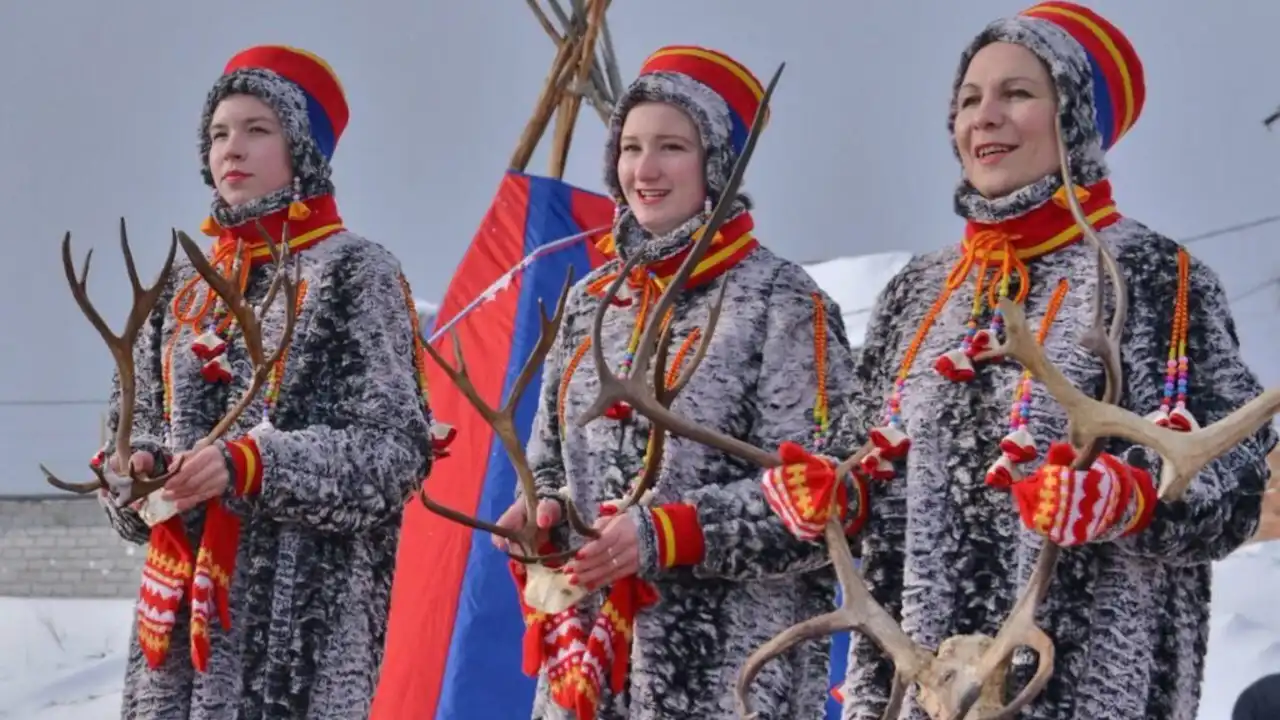
One of the first things you’ll want to talk about in Sámi is the beautiful, colorful clothing they wear.
For Sami people, our traditional clothing - called the gákti - is much more than just an outfit.
It’s a symbol of our identity, our history, and our connection to the land.
When you wear a gákti, you aren’t just wearing clothes.
You’re telling the world where you are from, what family you belong to, and sometimes even your marital status. It’s a language all on its own.
In this guide, I’ll walk you through the most important vocabulary for Sami clothing.
I’ll focus primarily on North Sami, as it is the most widely spoken variety, but remember that styles and words change depending on the region.
Table Of Contents:
What is the gákti?
The word gákti refers to the traditional tunic or dress worn by the Sami people.
In English, we often just call it “Sami traditional clothing,” but in Sami, the word covers the main garment itself.
Traditionally, the gákti was made from reindeer leather, but today we mostly use wool, cotton, or silk. Men’s gáktis are usually shorter (like a tunic), while women’s gáktis are longer (like a dress).
However, you can’t just buy any gákti and put it on.
The colors, the shape of the buttons, and the patterns of the ribbons are very specific to the area your family comes from.
Essential clothing vocabulary
If you are visiting Sápmi (the Sami homelands) or learning the language, these are the main words you need to know.
These words cover the outfit from head to toe.
| North Sami | English | Notes |
|---|---|---|
| Gákti | Traditional tunic/dress | The main garment. |
| Gahpir | Hat / Cap | The shape varies greatly by region and gender. |
| Boagán | Belt | Often made of leather with silver buttons or woven wool. |
| Gápmagat | Shoes (general) | Usually refers to traditional reindeer skin shoes. |
| Nuorttasat | Reindeer fur boots | Specific boots made with the fur on (for winter). |
| Čázehat | Summer shoes | Traditional shoes made of de-haired reindeer leather. |
| Fáhcat | Mittens | Usually knitted with distinctive patterns. |
| Vuoddagat | Shoe bands | Woven ribbons wrapped around the ankles. |
A note on shoes:
You might notice that traditional Sami shoes (gápmagat) have a curled toe. This wasn’t just for fashion! Historically, this hook helped keep skis attached to the feet using simple bindings.
Jewelry and accessories
A gákti is rarely worn without beautiful accessories. In Sami culture, silver is very important. We believe silver protects us, and traditionally it was used to protect children from bad spirits.
Here are the words for the accessories you will see worn over the gákti.
| North Sami | English |
|---|---|
| Liidni | Shawl / Scarf |
| Silba | Silver |
| Risku | Brooch |
| Solju | Small buckle / brooch |
| Niibi | Knife |
For women, the liidni (shawl) is usually fringed and held in place by silver brooches.
For men, the liidni is often worn around the neck, inside the collar of the gákti.
Phrases for talking about clothing
Now that you know the individual words, let’s look at how to use them in sentences.
In Sami, we have specific verbs for dressing. While you can use general words, it is more natural to use the correct terminology.
Here is a common dialogue you might hear when someone compliments an outfit:
Dus lea hui čáppa gákti!
Giitu. Dat lea Guovdageainnus eret.
If you want to talk about putting clothes on, we often use the verb gárvodit (to get dressed) or coggat (to put on clothes).
Mun cogggan gahpira.
Son geavaha gávtti ávvudilálašvuođain.
Useful phrases for learners:
- Gos don leat oastán tu liinni? – Where did you buy that shawl?
- Mii du gákti lea? – Which gákti is yours? (Asking about regional style)
- Lean gárvodeamen. – I am getting dressed.
Regional variations: The silent language
One of the most difficult but fascinating parts of Sami clothing is the variation.
As I mentioned earlier, you can tell where someone is from by looking at their hat (gahpir) and the pattern on their belt (boagán).
- The Four Winds Hat: Men from the Kautokeino area wear a very distinct hat with four points, known as the “Four Winds Hat” (čiehgahpir).
- The Horn Hat: Traditionally, women in some East Sami areas wore a high, curved hat that looked like a horn (ládjogahpir). This was banned by missionaries a long time ago but has recently been revitalized and brought back by modern Sami women.
When you are learning these words, remember that a gahpir in the North might look completely different from a gahpir in the South (South Sami area), even though the word basically means the same thing.
Summary
Learning the vocabulary for the gákti opens a door to understanding Sami culture.
Here’s a quick checklist of what we covered:
- Gákti is the main tunic or dress.
- Gahpir is the hat (and it tells people where you are from).
- Boagán is the belt.
- Nuorttasat are the warm reindeer fur boots.
Don’t be afraid to practice these words. Even if you don’t own a gákti, you can still practice by pointing out the liidni (scarf) or gahpir (hat) when you see pictures of Sami festivals.
Do you have a favorite style of Gákti?